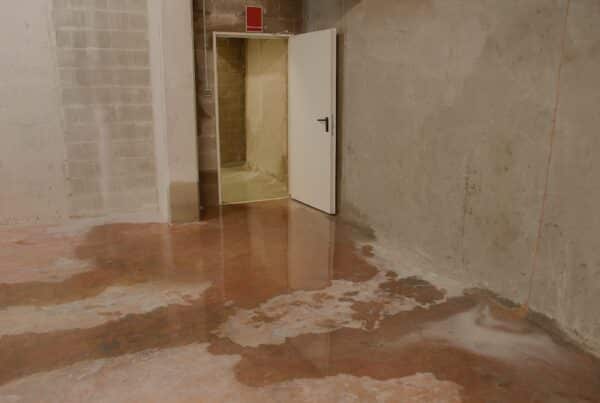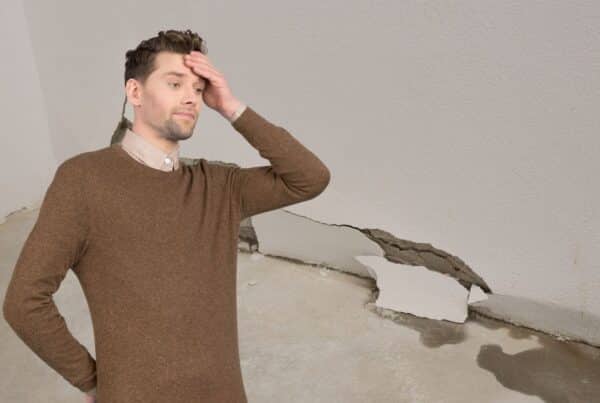
Water is the number one enemy of any Ohio home. Whether you live in a historic house in Clintonville or a newer build in Olentangy, the soil around your foundation behaves like a giant sponge. When that sponge gets too full, your foundation is the thing that pays the price. Making sure your basement crawl
Many homeowners think a little dampness in the crawl space is just a part of living in Ohio. However, that moisture is actually a warning sign. It tells you that the ground is shifting and your structural integrity is at risk.
Using professional basement crawl space waterproofing is the best way to stabilize your home and prevent repairs that can cost tens of thousands of dollars later on.
Understanding the Pressure Under Your Home
To understand why waterproofing matters, you have to look at the dirt around your house. Central Ohio is famous for its heavy clay soil. Clay is unique because it expands significantly when it gets wet and shrinks when it dries out.
When we get those heavy spring downpours, the clay soil becomes saturated.
This creates something called hydrostatic pressure. Think of it like a heavyweight wrestler leaning all of his weight against your basement walls. This pressure is constant and relentless.
Without a waterproofing system to relieve that pressure, your concrete walls will eventually start to bow or crack.
Waterproofing gives water somewhere to go. Instead of pushing against your walls, the water is diverted into a drainage system and moved away from the house. This keeps the pressure off your foundation and keeps your walls standing straight.
The Danger of Foundation Settlement
Have you ever noticed a crack in your drywall or a door that suddenly won’t close, right?
These are often signs of foundation settlement. This happens when the soil beneath your home is no longer stable enough to support the weight of the structure.
In a crawl space, water can actually wash away the soil that your footings sit on. This creates empty pockets or voids. When the weight of your house sits on a void, the foundation will eventually drop to fill that space. This movement causes the “settlement” cracks you see in your bricks or interior walls.
By investing in basement crawl space waterproofing, you are essentially protecting the dirt that holds up your house. Keeping the area dry prevents the soil from eroding and ensures your home stays on level ground.
Stopping the Cycle of Wood Rot
If you have a crawl space, your floor joists are likely made of wood. Wood is a great building material, but it hates humidity. In an unsealed crawl space, moisture stays trapped against the wooden beams that support your kitchen, living room, and bedrooms.
Over time, this moisture leads to wood rot. Rotting wood becomes soft and brittle. You might start to notice that your floors feel “bouncy” or that they sag in certain spots. This isn’t just a cosmetic issue; it is a major structural failure. Replacing floor joists is a massive undertaking that involves shoring up the entire house.
Waterproofing and encapsulation stop this cycle. By installing a heavy-duty vapor barrier and managing water flow, you keep that wood dry and strong for the life of the home.
| Common Foundation Problem | How Waterproofing Fixes It |
| Bowing Walls | Relieves water pressure from the outside soil. |
| Bouncy Floors | Keeps humidity low to prevent wood rot in joists. |
| Drywall Cracks | Stabilizes the soil to prevent uneven sinking. |
| Musty Smells | Stops mold growth by removing standing water. |
Why Concrete is Not Waterproof
A common misconception is that concrete is a solid, waterproof block. In reality, concrete is more like a very hard sponge. It has tiny pores that allow water vapor to pass through.
If the ground around your Columbus home is constantly wet, that water will slowly travel through your foundation walls. This is why you might see white, crusty salt deposits on your basement walls. That is called efflorescence, and it is a sign that water is moving through the concrete.
When water gets inside the concrete, it can cause the rebar (the metal inside your walls) to rust. As the metal rusts, it expands and cracks the concrete from the inside out. Interior and exterior waterproofing systems act as a shield, keeping the water out of the pores of your foundation so the structure stays healthy.
Protecting Your Health and Your Wallet
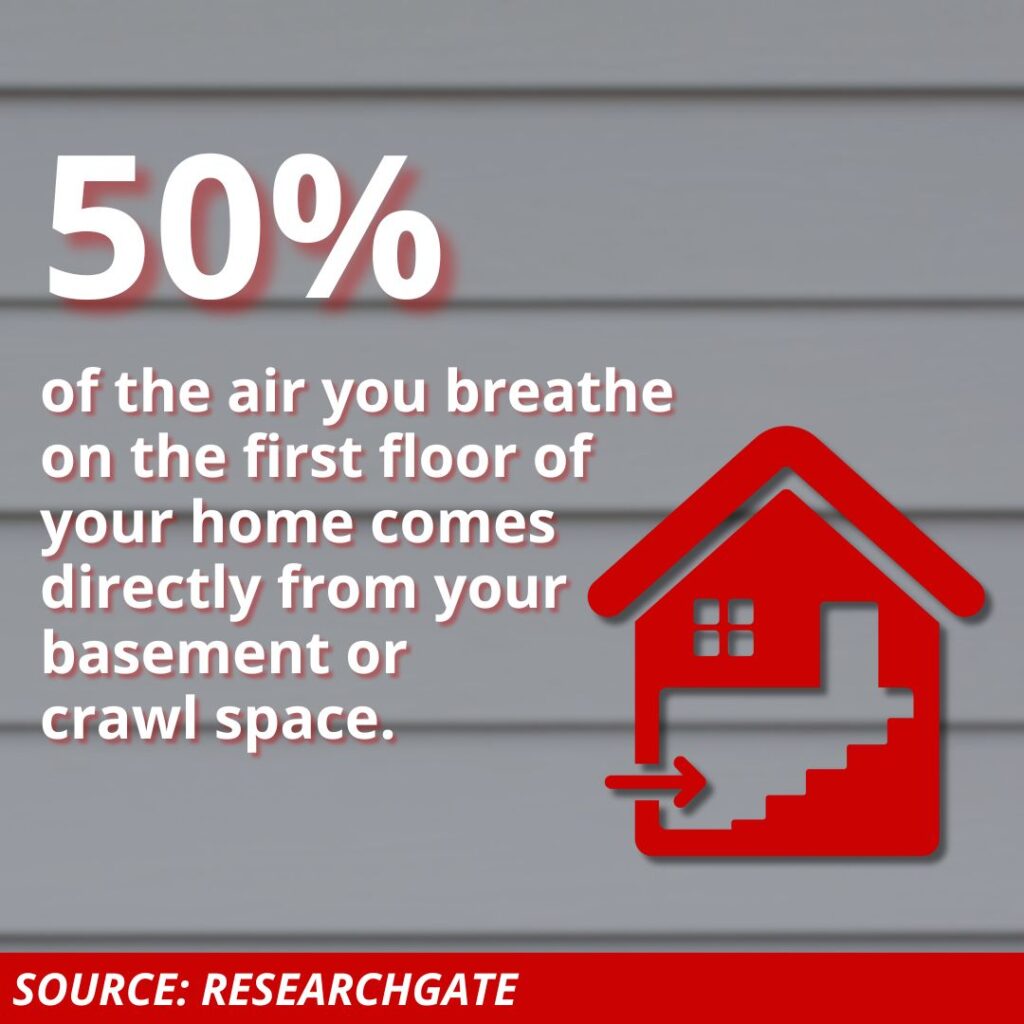
We often talk about the house, but we also need to talk about the people living in it. About 50 percent of the air you breathe on the first floor of your home comes directly from your basement or crawl space. If that area is wet and moldy, you are breathing in those spores every day.
From a financial perspective, a dry home is much easier to sell. In the Columbus real estate market, a “wet basement” is one of the biggest red flags for a buyer. Most home inspectors will flag water issues immediately, which can lead to a deal falling through or a massive price reduction.
Having a professional waterproofing system with a transferable warranty is a huge selling point. It tells the buyer that the home has been cared for and that the foundation is rock solid.
Other Maintenance and Related Questions
What is the difference between a crawl space and a basement?
A basement is usually deep enough for a person to stand in and often has a concrete floor. A crawl space is a shallow area beneath the house, often with a dirt floor. Both require waterproofing because both sit in the ground where water pressure is highest.
Do I need a backup sump pump?
In Ohio, we get our fair share of summer storms that can knock out the power. Since your sump pump runs on electricity, it will stop working if the power goes out. A battery backup sump pump is a very smart investment. It ensures your basement stays dry even during a blackout.
How do I know if my crawl space is wet?
You don’t always need to see a puddle. If your house smells musty, if you see mold on things stored in your basement, or if you notice condensation on your windows, your crawl space likely has a moisture problem.
High humidity is just as dangerous as standing water over the long term.
When to Call a Professional
It is always better to be proactive rather than reactive. Foundation repairs are much more expensive once the walls have already started to shift.
You should reach out to the team at Buckeye Basement Solutions if you notice any of these “warning signs” in your home.
- Standing water or damp spots on the floor after it rains.
- Cracks in the foundation walls that look like a staircase.
- White powder or peeling paint on the basement walls.
- A “swampy” smell coming from the vents or the basement door.
- Puddles of water near your foundation outside after a light rain.
Conclusion
Your home is likely your biggest investment. The foundation is the most critical part of that investment. By choosing a professional basement crawl space waterproofing system, you are taking the single most important step in protecting your home from the elements.
Don’t let the Columbus weather take a toll on your house. Keep your foundation dry, your air clean, and your home stable for years to come.