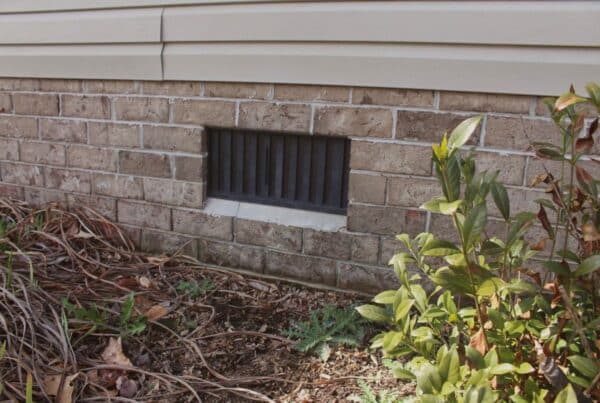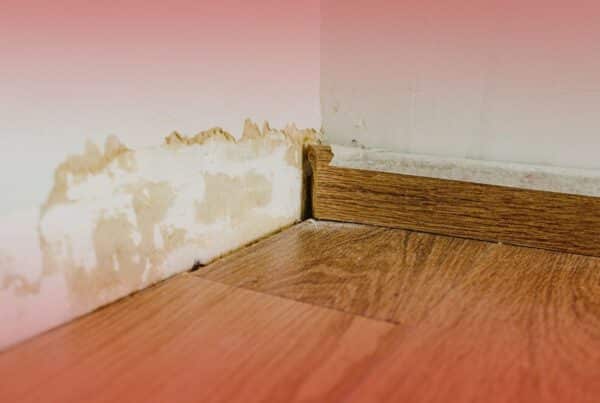
Water in your crawl space is a problem you should fix quickly, because standing water leads to wood rot, mold, pests, and sagging floors that get expensive fast.
A damp spot after a major storm is not unusual, but water that pools or keeps coming back points to a drainage or groundwater issue that will not solve itself. In Central Ohio, clay-heavy soil and freeze-thaw winters make recurring crawl space water especially common.
The team at Buckeye Basement Solutions has spent 30 years keeping Columbus-area homes dry. This guide covers why water gets in, what to do first, the real risks, your repair options, and what it costs.
Is Water in a Crawl Space Normal?
A little brief dampness after heavy rain can happen, but standing water that lingers more than a day or two is not normal and should be addressed. Crawl spaces sit below grade, so they are the first place water collects when the soil around your foundation gets saturated.
The question is not whether some moisture is possible; it is whether water is pooling, returning after every storm, or sitting long enough to cause damage.
A useful rule comes from the EPA: wet materials should be dried within 24 to 48 hours to prevent mold. If your crawl space cannot meet that window on its own, the moisture is a problem worth fixing.
You can review the agency’s guidance in the EPA’s brief guide to mold and moisture.
What Causes Water in a Crawl Space?
Water gets into a crawl space through poor drainage, groundwater pressure, or leaks, and finding the exact cause is the key to a lasting fix. The most common sources are:
- Poor grading. Soil that slopes toward the house funnels rainwater to the foundation instead of away from it.
- Clogged gutters and short downspouts. Water that drips next to the foundation soaks straight down to the crawl space.
- Hydrostatic pressure. Ohio’s clay soil swells when wet and pushes groundwater through foundation cracks and porous block.
- Foundation and wall cracks. Freeze-thaw cycles open new gaps every winter that let water seep in.
- A missing or torn vapor barrier. Bare soil lets ground moisture evaporate up into the space.
- Plumbing or HVAC leaks. A failed pipe or condensation line can mimic a groundwater problem.
- A high water table. After heavy spring and summer storms, the local water table can rise above the crawl space floor.
Because so many of these involve drainage, the fix often starts outside, to the interior systems. The same clay-and-groundwater conditions that flood a crawl space can also signal trouble elsewhere, which is why home inspectors flag it.
A buyer’s checklist of signs of crawl space moisture shows how closely the two are watched during a sale.
What to Do First When You Find Water
If you discover water in your crawl space, act within the first day or two to limit damage. Take these steps in order:
- Stay safe. Do not enter if water is near electrical wiring or the HVAC unit. Shut off power to the area if you can do so safely.
- Find the source. Check whether it followed a storm (drainage) or appeared on a dry day (likely a leak).
- Remove the water. Use a wet/dry vac or a portable pump for small amounts. Large or recurring volumes need a sump pump.
- Dry it out. Run a dehumidifier and improve airflow to hit that 24 to 48-hour drying window.
- Document everything. Photograph the water and any damage for insurance and for the contractor who assesses it.
- Call a professional if the water is more than a small puddle, keeps returning, or you see mold or structural sagging.
A wet/dry vac handles a one-time puddle, but it does nothing about the cause. If water returns after the next rain, you have a drainage or groundwater problem that needs a permanent solution.
Why Water in a Crawl Space Is Risky
Water in a crawl space does not stay in the crawl space, and that is what makes it dangerous to ignore.
Because of the stack effect, a large share of the air on your first floor is pulled up from below, so moisture and odors underneath travel into your living space.
The main risks are:
- Wood rot and structural damage. Constant moisture weakens floor joists and support beams, leading to soft, bouncy, or sagging floors.
- Mold growth. Damp wood and insulation grow mold that the EPA notes can trigger allergic reactions and asthma symptoms in sensitive people.
- Pest infestations. Termites, rodents, and insects are drawn to standing water and damp wood.
- Poor indoor air quality. Musty crawl space air rises into the home through the stack effect.
- Higher energy bills. Humid air is harder to heat and cool, so your HVAC works harder.
These problems compound. A wet crawl space left alone for a few seasons can turn a minor drainage fix into a major structural repair.
How to Get Rid of Crawl Space Water and Keep It Out
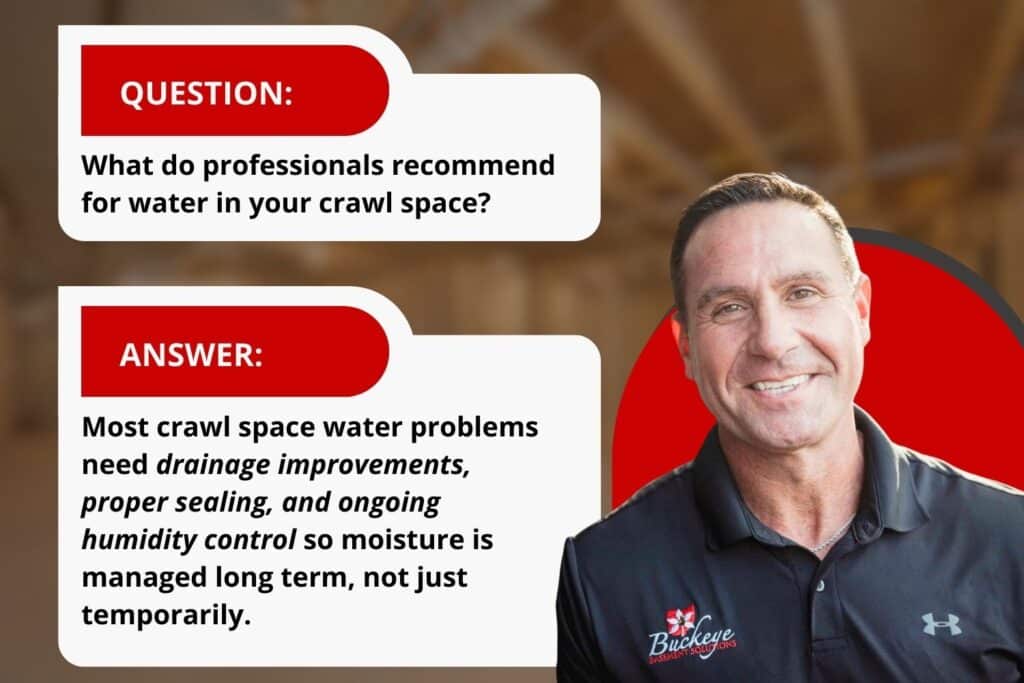
Getting rid of crawl space water for good means removing the current water, then sealing the space against future intrusion.
A complete solution usually combines drainage, a moisture barrier, and humidity control. The main tools are:
- Interior drainage and a sump pump to collect and pump out groundwater before it pools.
- A vapor barrier to stop ground moisture from rising through the soil.
- Crawl space encapsulation, a heavy sealed liner on the floor and walls, plus sealed vents, which is a complete moisture barrier rather than a partial one.
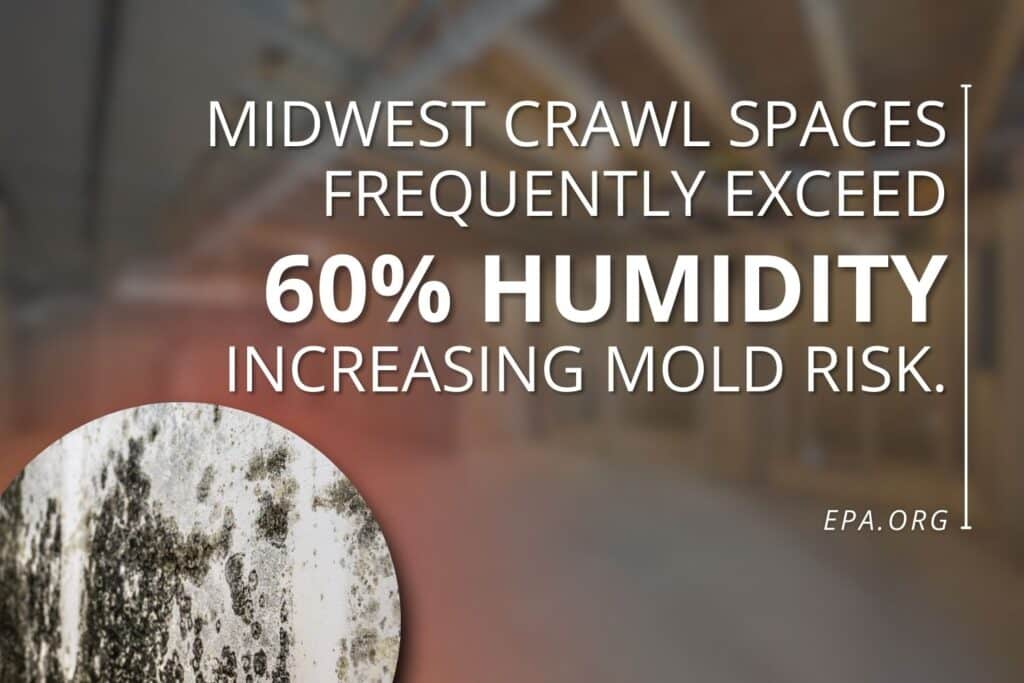
- A dehumidifier to keep humidity in the EPA’s recommended range below 60 percent.
- Structural repairs to joists or beams already damaged by past water.
The EPA specifically recommends covering crawl space dirt with a plastic barrier and sloping the ground away from the foundation, which you can read in its guide to controlling moisture in your home.
For a full breakdown of the sealing approach, see our guide to crawl space encapsulation, and for the humidity side, how a crawl space dehumidifier protects your whole home.
Matching the Solution to the Problem
| If you have… | The likely cause | The right fix |
|---|---|---|
| Water only after heavy rain | Poor grading/gutters | Regrade, extend downspouts, exterior drainage |
| Standing water that returns | High water table / hydrostatic pressure | Interior drainage + sump pump |
| Damp, musty air, but no pooling | Ground moisture evaporation | Vapor barrier or full encapsulation |
| High humidity year-round | Unsealed, vented crawl space | Encapsulation + dehumidifier |
| Soft or sagging floors | Past water damage to wood | Structural repair plus moisture control |
What Crawl Space Water Solutions Cost
Crawl space water solutions range from a few hundred dollars for a vapor barrier to several thousand for full encapsulation, depending on the size of the space and the cause.
These ranges are typical national figures, so your actual price depends on your home:
| Solution | Typical cost range |
|---|---|
| Wet/dry vac or portable pump (DIY) | $50–$200 |
| Sump pump installation | $1,000–$3,000 |
| Vapor barrier | $1,000–$3,000 |
| Full crawl space encapsulation | $3,000–$15,000 |
| Dehumidifier system | $1,200–$2,500 |
Buckeye Basement Solutions provides free written estimates and will beat any written competitor’s price, so the best way to know your real cost is a no-cost inspection.
Related Questions to Explore
Is water in a crawl space after heavy rain normal?
Brief dampness after a major storm can happen, but standing water that lingers more than a day or two is not normal. If water pools or returns after every rain, you have a drainage or groundwater problem that needs a permanent fix.
How do you get water out of a crawl space fast?
For a small amount, use a wet/dry vac or portable pump, then run a dehumidifier to dry the space within 24 to 48 hours. For large or recurring water, a permanently installed sump pump is the reliable way to remove it.
Does a crawl space need a sump pump?
A crawl space needs a sump pump when it collects groundwater that pooling or grading fixes alone cannot stop, which is common in Ohio’s clay soil. If water returns after storms despite good gutters and grading, a sump pump is usually the right call.
What is the difference between a vapor barrier and encapsulation?
A vapor barrier is a liner over the soil that blocks ground moisture from rising. Encapsulation is the complete version: a heavy sealed liner over the floor and walls plus sealed vents, often paired with a dehumidifier, which controls far more moisture than a basic barrier.
Can water in a crawl space cause mold in the rest of my house?
Yes. Through the stack effect, much of your first-floor air is drawn up from the crawl space, so moisture and mold spores below can affect air quality throughout the home. Controlling crawl space water is one of the best ways to protect indoor air.
When to Call a Professional
Call a professional when crawl space water is more than a small one-time puddle, keeps returning after rain, or comes with mold, odors, or sagging floors.
Those signs mean the cause is structural or groundwater-related, and no wet/dry vac will solve it. A waterproofing specialist can trace the source, recommend the right combination of drainage and sealing, and repair any damage already done.
Buckeye Basement Solutions is a BBB-accredited, owner-operated company with more than 30 years of combined experience serving Columbus and Central Ohio, from Dublin and Hilliard to Westerville, Newark, and Lancaster.
We use honest assessments with no commissioned salespeople, back our work with a transferable warranty, and offer free estimates. You can schedule a free estimate or check the areas we serve.
Conclusion
Water in a crawl space is a fixable problem, but only if you act before it damages the structure. Keep these takeaways in mind:
- Standing water that lingers for a day or two is not normal and signals a drainage or groundwater issue.
- The cause matters: grading and gutters, hydrostatic pressure, cracks, leaks, or a high water table each call for a different fix.
- A wet/dry vac handles a puddle, but lasting protection usually means drainage, a sealed barrier, and humidity control.
If your Central Ohio crawl space keeps taking on water, reach out to Buckeye Basement.