Water seepage in a basement is one of the most common and costly issues homeowners face in the Columbus area.
Our region’s clay soil, freeze-thaw cycles, and heavy seasonal rain create the perfect conditions for moisture to push into basement walls and floors. Even a small amount of seepage can become a bigger problem if it is not caught early.
This guide explains the signs of water seepage, what causes it, and how it puts your home at risk. If you live in or around Columbus, knowing these signs helps protect your foundation, prevent mold, and avoid needing expensive work done down the road.
Why Water Seepage Is Common for Ohio Homes
Basements in our area experience moisture more often than homes in many other parts of the country. The biggest reason is our soil.
The Midwest has dense clay soil that holds water and expands when saturated. As it expands, it puts pressure on foundation walls.
Other regional factors include:
- Heavy rainfall across the spring and fall
- Snowmelt that adds sudden moisture to the soil
- Freeze-thaw cycles that push water deeper into the ground
- Aging homes with older drainage systems
- Seasonal groundwater spikes
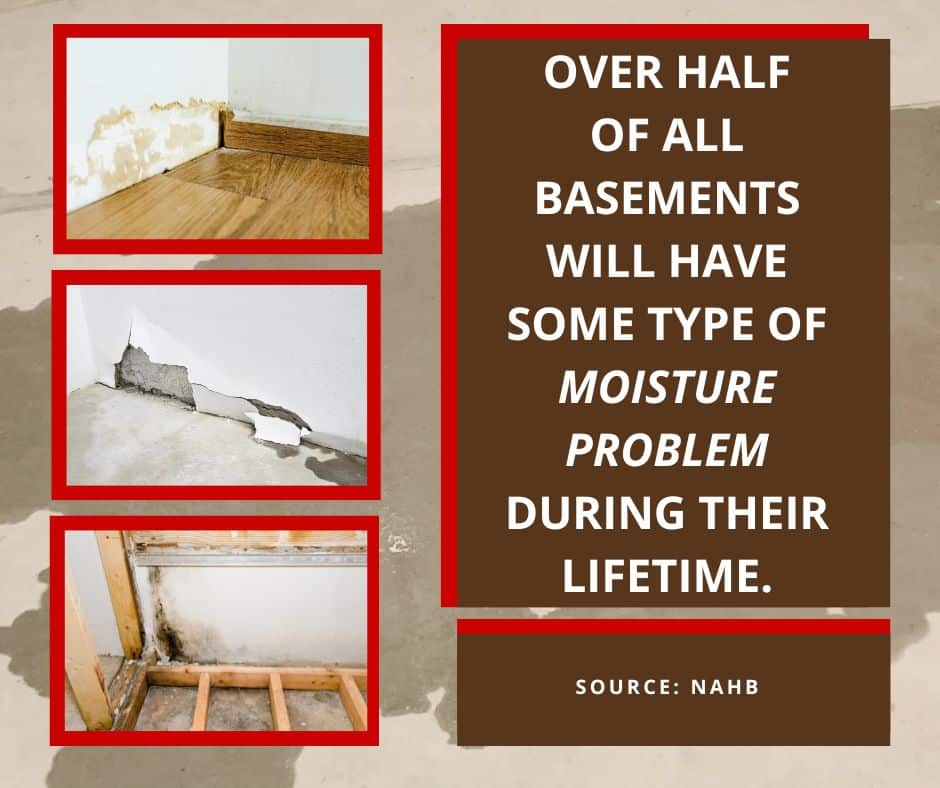
According to data from the National Association of Home Builders, over half of all basements will experience some type of moisture problem during their lifetime.
In clay-heavy areas like Columbus, the risk is even higher.
Once seepage in a basement begins, it does not improve on its own. It slowly weakens concrete, increases humidity, and opens the door for mold growth or foundation stress.
Early Signs of Water Seepage in a Basement
Water seepage often starts small. Many homeowners do not notice the first signs or mistake them for normal basement conditions. These early clues matter because they show that water is pushing through the foundation even if it is not pooling on the floor.
Damp or Dark Spots on Walls
Damp patches appear as darker areas on concrete or block walls. They may come and go depending on recent weather, which makes them easy to overlook.
This type of spot often forms when water slowly enters through pores or tiny foundation cracks.
Efflorescence
Efflorescence is a white, chalky film that forms on basement walls. It is made of minerals left behind after water evaporates.
If you see this powder, it means seepage has been happening for a while, even if you have never seen liquid water.
Musty Smells
A musty smell is a sign that moisture is present. Even without visible water, damp air supports mold growth.
Mold only needs small amounts of moisture to grow, so odor alone is a reason to investigate.
Peeling Paint or Bubbling Walls
Paint that bubbles, cracks, or flakes has moisture behind it. Waterproofing paints used in older Columbus basements often trap moisture inside the wall, leading to peeling or blistering over time.
Cold or Damp Floors
Concrete floors can pull moisture up from below. Floors that feel damp, cold, or sticky even on dry days often signal water seepage under the slab.
Increased Humidity
If your basement feels humid year-round or your dehumidifier runs nonstop, this may mean moisture is entering through the walls or floor. High humidity also accelerates mold growth and wood rot.
Larger Warning Signs of a Basement Water Problem
When seepage progresses, the signs become more obvious. At this stage, the issues are harder to ignore and more likely to cause structural or health concerns.
Water Streaks or Trails
Wall streaks form when water repeatedly enters and dries. Long or thick streaks often show that seepage has been happening through multiple seasons.
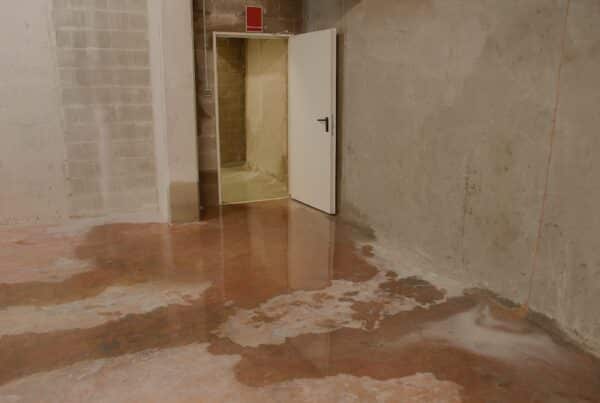
Puddles After Rain
Standing water is a major warning. This happens when soil pressure forces water through cracks or when exterior drainage is not moving water away fast enough.
Columbus neighborhoods with flat yards or poor grading see this often after back-to-back storms.
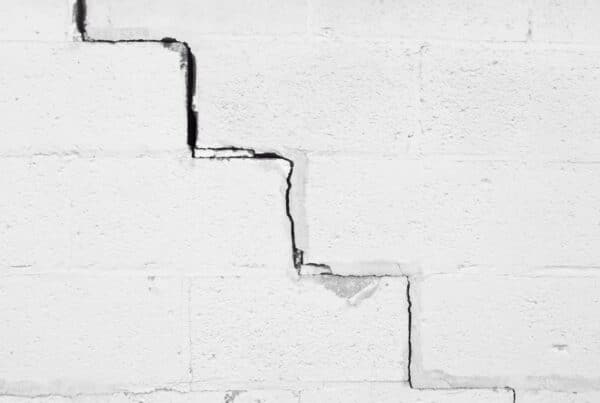
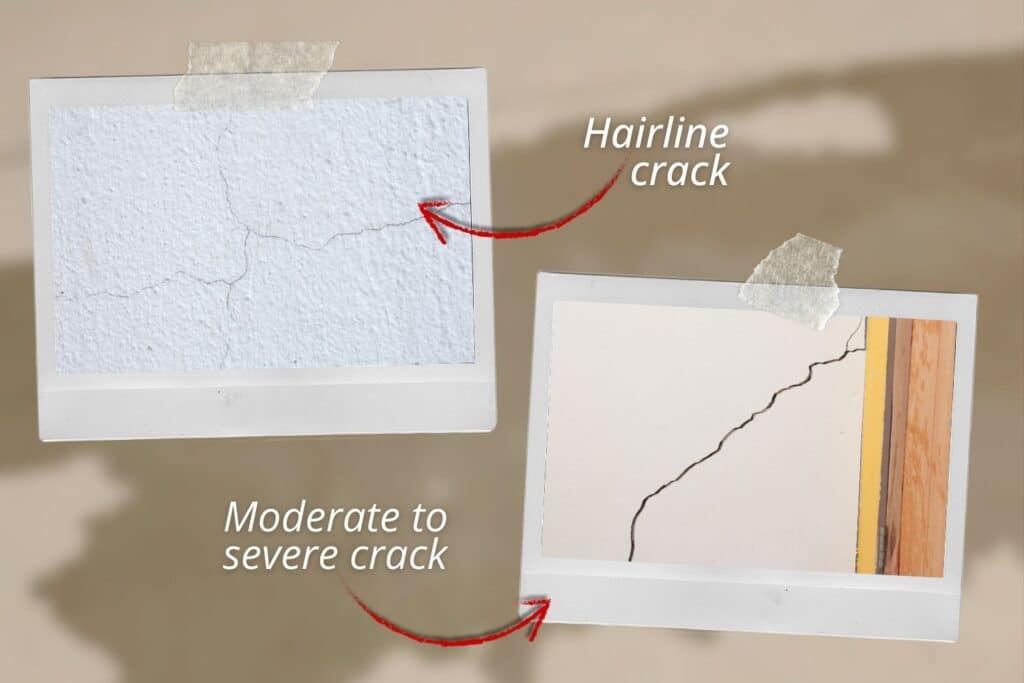
Cracks in Foundation Walls
Cracks allow water to enter but also signal soil movement. In clay soil, cracks often widen over time.
- Vertical cracks may be caused by normal settling.
- Diagonal and stair-step cracks often come from soil pressure.
- Horizontal cracks can indicate structural stress and should be evaluated soon.
Water intrusion and foundation cracks are two of the most common findings in basement inspections nationwide.
Bowing or Bulging Walls
When soil pressure becomes too strong, basement walls may bow inward. Even slight movement is serious. Bowing walls almost always appear alongside long-term seepage, making quick evaluation important.
Mold Growth
Mold grows within 24 to 48 hours when moisture is present. It spreads on drywall, wood framing, and stored items. Mold also affects indoor air quality throughout the entire home, not just the basement.
Common Causes of Water Seepage in Columbus Basements
Water seepage is not random. It has predictable causes that often connect to soil, drainage, and foundation condition.
Poor Exterior Drainage
Downspouts that empty near the foundation or yards that slope toward the home allow water to pool against the wall. This adds pressure and forces moisture inside.
Clogged or Failing Footer Drains
Many older Columbus homes have footer drains that are filled with sediment or collapsed. When these drains stop working, water pushes directly against the foundation with no escape route.
Cracks from Soil Movement
Clay soil expands when saturated and shrinks when dry. This cycle repeats every season and slowly opens cracks in the basement walls. Water then enters through these openings.
Basement Windows or Window Wells
Improperly sealed basement windows and clogged window wells allow water to collect against the foundation. Once the well fills, seepage starts quickly.
High Groundwater Levels
Periods of long rain raise groundwater. If the water table rises above the base of the foundation, seepage often occurs. This issue is common in neighborhoods with nearby creeks or flat grading.
Sump Pump Problems
A sump pump protects the basement by removing water before it rises. When pumps are undersized, clogged, or not working, seepage becomes more likely. Power outages during storms increase the risk further.
Risks of Ignoring Water Seepage
Leaving seepage alone creates several long-term problems that affect safety, value, and comfort.
Structural Damage
Moisture weakens concrete over time. Repeated seepage can lead to wider cracks, crumbling surfaces, and bowing walls. The longer moisture stays in contact with the foundation, the more expensive the repairs become.
Mold and Air Quality Issues
Damp basements are one of the top sources of mold in homes. Mold spreads easily and affects indoor air as it travels into upper floors.
The CDC and EPA note that mold exposure can worsen respiratory issues and allergies.
Higher Energy Bills
Wet basements feel colder in winter and more humid in summer. This forces heating and cooling systems to work harder. Homes with moisture problems often see noticeable swings in energy use.
Damage to Stored Items
Cardboard boxes, clothing, tools, and furniture all absorb moisture. Once damp, these items can grow mildew or mold, making them unsafe to keep.
Pest Problems
Moisture attracts bugs and rodents. Water seepage often creates the same openings that pests use to enter, especially behind walls or through small foundation cracks.
Lower Home Value
Basement moisture is one of the most common concerns buyers bring up during showings. A home with seepage issues may require repairs before closing or may sell for less than expected.
Related Questions Homeowners Often Ask
How can I tell if a basement crack is serious?
Cracks that widen over time, bow inward, or let water through usually need professional attention. Stair-step cracks in block walls are a common sign of movement and often lead homeowners to explore foundation repair options.
Is a dehumidifier enough to fix basement moisture?
A dehumidifier helps with humidity, but it does not stop water from seeping through walls or floors. If moisture is entering the structure, drainage or waterproofing improvements are needed to fix the source.
Do most Columbus basements need a sump pump?
Many do. High groundwater levels and heavy rain mean sump pumps run often in this area. Homes without a pump may be more at risk for seepage or flooding during long storms.
Does seepage always mean the foundation is failing?
Not always. Sometimes the issue is drainage or groundwater. But long-term seepage can stress the foundation, so a proper evaluation is important.
When to Call a Professional
Call a professional when you see any sign of moisture in the basement, even if it seems small. Water problems almost never stay the same. They grow, spread, or lead to new issues in other areas of the home.
A professional evaluation is especially important when you notice:
- Water stains or damp walls
- Cracks that leak
- Mold or musty smells
- Bowing or leaning walls
- Puddles after storms
- Rising humidity levels
Buckeye Basement Solutions looks at the full picture. This includes soil pressure, exterior drainage, sump pump performance, structural movement, and moisture pathways.
An inspection gives you clear answers so you can choose the right solution, whether that involves waterproofing, drainage improvements, sump pump upgrades, or foundation repair.
Conclusion
Water seepage is not just a basement problem. It affects the structure, air quality, and long-term health of your home. Columbus homeowners face unique moisture challenges because of the region’s soil and weather, which makes early detection especially important.
If you see signs of seepage or want to prevent future problems, a professional evaluation is one of the most reliable steps you can take.
Buckeye Basement Solutions provides clear assessments and long-lasting solutions that protect your basement, your foundation, and your peace of mind throughout every season. Schedule your visit today, or just get in touch for guidance on the next steps.