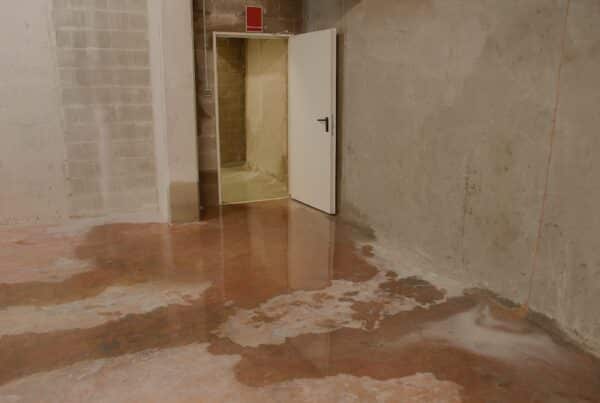
Basement window covers protect below-grade windows and window wells from water, debris, pests, and intruders while still letting light in. They are one of the cheapest ways to prevent a wet basement, yet they are the piece most homeowners forget when they plan waterproofing.
At Buckeye Basement Solutions, we see the fallout of skipped covers all the time in Columbus: flooded wells, clogged drains, and windows that leak every time it storms.
This guide covers what these covers do, the three main types, what they cost, how they interact with egress code, and how to keep them working.
What Basement Window Covers Do (and Why They Get Overlooked)
A basement window cover is a shield that fits over a window well or directly over a below-grade window. It keeps rain, snow, leaves, and animals out of the well while letting daylight through.
Most waterproofing plans focus on walls and floors, so the window well- the hole dug around a below-grade window- gets ignored until it fills with water.
That gap matters. An uncovered well collects everything that falls near your foundation. When it fills faster than it drains, water backs up against the window and finds its way inside.
A cover is the first line of defense that stops the problem before it starts.
A good cover does four things at once:
- Keeps water out. It stops rain and snowmelt from pooling in the well and seeping through the window.
- Blocks debris and pests. Leaves, dirt, insects, and small animals stay out of the well.
- Adds insulation. It cuts the draft that below-grade windows are known for, easing your heating load in winter.
- Improves safety and security. It prevents falls into an open well and makes a low, hidden window harder to force open.

The 3 Main Types of Basement Window Covers
The right cover balances protection, light, durability, and looks. Three materials cover almost every home.
Polycarbonate Covers
Polycarbonate is the most popular choice for a reason. These clear, lightweight covers shrug off heavy rain, snow, and wind while letting up to about 90% of daylight into the basement.
They are UV-resistant, so they do not yellow or turn brittle over a few seasons, and heavy-duty versions are rated to hold an adult’s weight and can be locked.
If you want water protection, light, and low maintenance in one cover, polycarbonate is usually the answer.
Steel Grate Covers
If security or fall protection is your priority, a steel grate cover is the strongest option. Made from heavy galvanized steel, these covers are nearly impossible to break through and stand up to large debris like branches.
The trade-off: a bare grate is not watertight on its own, so it is often paired with a clear cover or used where drainage in the well is already solid.
Steel is ideal for wells that need to bear weight or resist forced entry.
Acrylic Covers
Acrylic covers give you a clean, modern look that blends with most exteriors. They protect against rain, snow, and debris much like polycarbonate, and homeowners tend to choose them for appearance.
They scratch a little more easily than polycarbonate, but many owners accept that for the sleeker finish. Acrylic suits homes where curb appeal matters as much as protection.

How Much Do Basement Window Covers Cost?
Basement window covers cost anywhere from about $30 for a thin plastic cover to $2,000 for a custom design, with most homeowners landing in the middle based on material and size. Here is the general range:
| Cover type | Typical price (materials) | Best for |
|---|---|---|
| Thin plastic/polyethylene | $30–$70 | Basic debris and rain protection |
| Polycarbonate | $200–$300 | Light + water protection, everyday use |
| Acrylic | $150–$300 | Appearance-first homes |
| Steel grate | $300–$700 | Security and fall protection |
| Custom / oversized | up to $2,000 | Odd-shaped or oversized wells |
Price climbs with thickness, weight rating, hinges, locks, and custom sizing. If your well is an unusual shape, expect to pay for a custom fit rather than a stock cover.
Professional installation and a matching well may add to the total, especially if the existing well needs drainage work first.
Covers, Window Wells, and Egress Code: What Ohio Homeowners Should Know
If your basement window is an emergency exit, the cover has to follow one critical rule: it must open from the inside without a key, tool, or special knowledge.
This is the point the original version of this article skipped, and it is the one that trips people up.
Any finished basement bedroom or living space needs an egress window, a window large enough to climb out of in a fire. Under the International Residential Code, that means a minimum clear opening of 5.7 square feet, at least 20 inches wide and 24 inches tall, with the sill no more than 44 inches off the floor.
The window well around it needs room to climb out, and a ladder if it is deeper than 44 inches.
Covers are allowed over egress wells, but a cover that locks or latches from the outside will fail inspection because it blocks the exit. So if the well serves a bedroom, choose a cover that lifts or releases from inside without tools.
Local rules can be stricter than the IRC, so confirm with the Columbus or your county building department before you buy.
How to Choose and Measure the Right Cover
Start by deciding what the cover has to do: keep water out, bear weight, stop falls, or simply look clean. Then match the material from the table above to that priority.
After that, it comes down to correct measurement.
To size a cover for a standard well:
- Measure the width across the front of the well, from one side of the foundation contact point to the other.
- Measure the depth, how far the well projects out from the wall.
- Measure the height of the well from the ground to the top edge.
- Note the shape, rectangular or a curved/bubble profile, and whether the window sits above the well’s top edge, which affects clearance.
If your numbers do not match a stock size, order a custom cover rather than forcing a poor fit. A cover that does not seal at the edges lets in exactly what it is supposed to block.
Maintaining Your Basement Window Covers
A cover only works if the well beneath it drains. Once installed, keep both in good shape with a simple seasonal routine:
- Clear debris from the well and off the cover so drainage is not blocked.
- Inspect after storms for cracks, warping, or shifting, especially after Ohio’s freeze-thaw swings.
- Clean the surface with soap and water to stop dirt and mold buildup and keep light coming through.
- Check the well drainage so water percolates away instead of pooling against the window.
If water still collects after every rain despite a good cover, the problem is usually the well’s drainage or the foundation, not the cover.
Related Questions to Explore
Do basement window covers stop water from getting in?
Yes, when they fit correctly and the well drains. A properly sized cover directs rain and snowmelt away from the window and stops the well from flooding. If water still gets in, the issue is usually drainage or a foundation leak, which is worth a professional waterproofing inspection.
Are window well covers required by code?
Covers themselves are generally not required, but egress windows are required for finished basement bedrooms and living spaces. If you cover an egress well, the cover must be removable from inside without a key or tool so it never blocks an emergency exit.
What is the best material for a basement window cover?
Polycarbonate is the best all-around choice because it blocks water, resists UV, and still lets in about 90% of daylight. Choose steel grate instead when security or fall protection matters most, and acrylic when appearance is the priority.
Can you put a cover on an egress window well?
Yes. The cover just has to open from the inside without tools, keys, or special knowledge, and it cannot reduce the well’s required clear opening. Locking or bolted covers over egress wells fail inspection.
How do I measure a window well for a cover?
Measure the width across the front, the depth the well projects from the wall, and the height from the ground to the top edge, then note the shape. Order custom if the well does not match a stock size.
Do window covers help with basement energy loss?
Yes. Below-grade windows are a common source of drafts, and a cover adds a layer that reduces air leakage and helps hold indoor temperatures, which eases your heating bill in winter. Pair covers with sealing any leaks around the window for the best result. If your basement still feels damp or drafty, our guide on why water leaks in after heavy rain covers related fixes.
When to Call a Basement Professional
Covers handle prevention, but some problems point to something bigger.
Call a basement professional if you notice persistent leaks, drafts, or pest activity even with covers in place, or if the well fills and drains poorly no matter how often you clear it.
Those are signs the drainage or foundation, not the cover, needs attention.
A professional can assess the well, the window, and the surrounding foundation, recommend the right cover for your situation, and confirm an egress well stays code-compliant.
In Columbus and the surrounding area, the team at Buckeye Basement Solutions can inspect your basement and tell you whether a cover is enough or whether the underlying waterproofing needs work.
Conclusion
Basement window covers are a small investment that protects a big one: your foundation and everything above it. To recap:
- The right cover keeps water, debris, pests, and intruders out while letting light in.
- Match the material to your priority: polycarbonate for all-around value, steel for security, acrylic for looks.
- If the well serves an egress window, the cover must open from inside without tools.
If your basement windows leak, draft, or sit in a well that never seems to drain, reach out to Buckeye Basement Solutions for an inspection in Columbus, OH, and the surrounding areas.