Most Columbus homeowners do not spend a lot of time thinking about what is happening under their house. Out of sight, out of mind.
But the space beneath your home, whether a basement or a crawl space, has a direct and measurable impact on the air quality, structural health, and comfort of every room above it.
A whole-house dehumidifier is a powerful tool for controlling the environment beneath your home. If you’re noticing musty odors, allergies, or moisture damage, understanding how these systems work is the first step toward a solution.
Choosing the right unit and professional installation will help you protect your home’s health before problems get worse.
What is a Clean Air Dehumidifier System?
A clean air dehumidifier is a professional-grade mechanical system installed in a basement or crawl space to actively pull excess moisture from the air and maintain a controlled relative humidity level.
Unlike portable store-bought units that require constant manual emptying, these systems are built specifically for the high-demand, below-grade environment and operate continuously without intervention.
They drain automatically through a built-in pump and discharge line, while an integrated humidistat automates operation by turning the unit on or off to maintain target settings.
Most units use a refrigeration-based system rated for the heavier moisture loads and cooler temperatures found in under-house spaces. These systems often feature automatic defrost to prevent freezing, which is essential for reliable year-round performance in variable climates like Ohio’s.
In a crawl space, the unit typically mounts to a wall or joist, working alongside an encapsulation system to create a fully sealed, controlled environment that ensures clean, dry air circulates throughout the home.

Why Moisture Builds Up Under Your House
Homes in the Columbus area and surrounding communities like Dublin, Westerville, Hilliard, and Grove City experience a full range of Ohio weather throughout the year, and that seasonal variation drives significant under-home moisture problems. Here is where that excess moisture typically originates:
Ground Evaporation
Soil releases moisture vapor upward continuously. Without a proper vapor barrier in the crawl spaces beneath a home, that moisture raises relative humidity and creates ideal conditions for mold and structural damage throughout the area below the living floors.
Seasonal Humidity
Ohio summers bring warm, humid air. When that air enters cooler crawl spaces and basements, it condenses on wood framing, concrete walls, pipes, and insulation, raising humidity levels even without visible water intrusion.
Rain And Surface Water
Poor grading, clogged gutters, or inadequate drainage around the foundation push water toward the home and introduce excess moisture into below-grade spaces over time.
This is a common source of elevated humidity that crawl space dehumidifiers are specifically designed to manage.
Stack Effect
Homes pull air from the ground up. Air from crawl spaces and basements migrates into the rooms above, meaning moisture, mold spores, and allergens that originate below grade travel upward into the living areas where your family spends time.
What Problems High Humidity Causes Under the House
Elevated humidity in basements and crawl spaces does not stay contained. It creates a chain of problems that affect the structure and air quality of the entire home.
| Problem | How It Develops |
|---|---|
| Mold and mildew growth | Mold thrives when relative humidity exceeds 60%. Wood framing, insulation, and drywall are all vulnerable. |
| Wood rot and structural damage | Prolonged excess moisture causes floor joists, sill plates, and beams to soften and lose load-bearing capacity over the years of exposure. |
| Pest attraction | Many pests thrive in damp environments, making dry crawl spaces far less attractive to wood-destroying insects. |
| Poor indoor air quality | Mold spores, dust mites, and allergens migrate upward through the stack effect into living rooms and bedrooms. |
| Musty odors | Persistent musty smells throughout a home almost always trace back to a moisture source in the crawl space or basement. |
| Higher energy costs | Damp air makes heating and cooling rooms more expensive. Lowering excess humidity leads to meaningfully lower energy costs year-round. |
Many homeowners spend years addressing symptoms without ever treating the root cause: uncontrolled moisture beneath the home.
What a Dehumidifier Actually Does Under the House
A professionally installed crawl space dehumidifier addresses the root cause directly. Here is what it does in practical terms:
Controls Excess Humidity Consistently
These units maintain humidity at a target level: typically between 45% and 55%, which is the “safe zone” below the threshold where mold thrives, and floor joists begin to deteriorate.
The integrated humidistat handles all adjustments based on real-time conditions, ensuring the unit runs only when necessary to save power. High-capacity models are engineered specifically for tight, high-pressure environments and can remove over 100 pints of water per day at saturation.
Many modern systems also feature Wi-Fi connectivity, allowing you to monitor and control the environment via a smartphone app without ever having to venture into the crawl space yourself.
Removes Significant Volumes Of Moisture Daily
Systems built for heavy-duty residential use are capable of extracting 50 to 100 or more pints of water every 24 hours.
This high-volume extraction is vital for keeping up with the intense moisture loads common in below-grade environments.
While standard consumer-grade appliances often struggle to maintain a dry environment in damp climates, these professional systems are specifically rated for the unique physics of a crawl space, ensuring the structure stays bone-dry even during the wettest seasons.
It Filters And Cleans The Air
A clean-air dehumidifier does more than just dry the air; it filters it. By capturing particulates, allergens, and contaminants before recirculating the air, it tackles the source of musty odors.
Because of the “stack effect”—where air from your crawl space naturally rises into your living areas, cleaning the air under the house directly improves the air quality in your bedrooms and kitchen, making the entire home healthier and more comfortable for your family.
Operates Efficiently With Lower Energy Consumption
Energy-Star-certified systems use advanced technology to maximize moisture removal while minimizing electricity usage.
High-efficiency components like Microchannel Condenser Technology improve heat exchange within the unit, allowing it to work harder with less energy.
Furthermore, these units utilize corrosion-resistant coils to extend their lifespan in persistently humid conditions.
This durability ensures the system remains a cost-effective, long-term solution for home protection rather than a recurring maintenance headache.
Crawl Space Dehumidifiers vs. Portable Units
When homeowners search for dehumidifier options for under-house issues, portable units are often the first thing they find. For residential crawl spaces and basements with heavy moisture loads, they are not a practical substitute.
| Feature | Portable Unit | Clean Air Dehumidifier |
| Built for Below-Grade Spaces | No | Yes |
| Auto-Draining (Pump Included) | No | Yes |
| Built-in Humidistat | No | Yes |
| Automatic Defrost | No | Yes |
| Pint Removal Capacity | 20–30 PPD | 50–120+ PPD |
| Energy Star Certified Options | Rarely | Yes |
| Corrosion-Resistant Coils | No | Yes |
| Wi-Fi App Connectivity | Rarely | Often Included |
| Long-Term Warranty | Limited/None | Yes |
Portable units are designed for rooms with moderate humidity. Crawl spaces and basements carry moisture loads far beyond what those units handle efficiently.
The same performance standards that apply to commercial crawl space dehumidifiers used in warehouses and large-scale buildings inform the design of professional residential systems, which is part of why they outperform similar products available at retail over the long term.
Waiting to upgrade from a portable unit typically costs more money in the long run through ongoing repairs, mold remediation, and structural damage that proper moisture control would have prevented.

Other Related Questions
Does a crawl space dehumidifier replace the need for encapsulation?
Not quite. Crawl space encapsulation seals the space from outside air and ground moisture using a heavy-duty vapor barrier across the floor and walls. A crawl space dehumidifier then manages residual humidity within that sealed environment. The two work together rather than substituting for one another. Running a crawl space dehumidifier in an unencapsulated crawl space is like running air conditioning with the windows open.
How does a crawl space dehumidifier help with mold in a basement or crawl space?
Mold requires moisture to grow and spread. By keeping relative humidity consistently below the threshold mold needs to survive, crawl space dehumidifiers remove the primary condition that allows it to take hold. They do not remediate existing mold growth, but they are one of the most effective ways to prevent new growth after a space has been treated, which is why moisture control and mold prevention are so closely connected.
Could high humidity under the house contribute to foundation or structural problems?
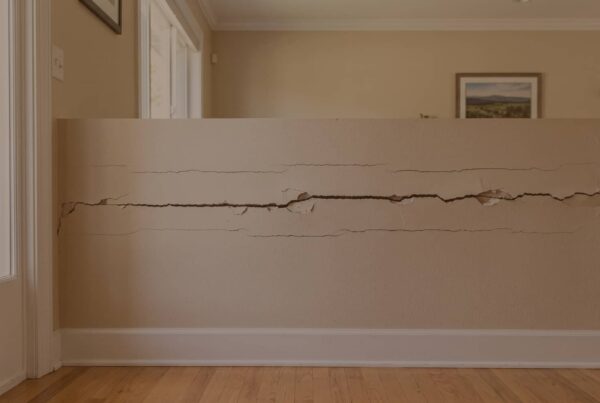
Yes, and this connection is more direct than most homeowners realize. Consistently elevated moisture levels in crawl spaces accelerate wood rot in floor joists and sill plates over years of exposure, leading to sagging floors and compromised structural integrity. Homes with bowing or cracked foundation walls also tend to have elevated moisture levels, since water-saturated soil creates hydrostatic pressure against foundation walls that worsens over time without proper drainage and waterproofing in place.
When to Call a Professional
If you have noticed musty odors in your home, condensation on basement walls or pipes, visible mold in your crawl spaces, soft or springy floors, or allergy symptoms that are worse indoors, moisture below your home is actively affecting your living environment. A professional inspection can identify the extent of the problem, whether existing systems are keeping up, and what combination of solutions makes sense for your specific home.
Homes across central Ohio vary widely in age, construction, and soil conditions. From Lancaster and Newark to Gahanna and Pickerington, the right approach is not the same from one property to the next, and a professional evaluation takes that into account before recommending a path forward.
Conclusion
A dehumidifier system for issues under the house does more than just reduce humidity in a single space. It protects the structural integrity of your home, improves the air quality in every room above, lowers energy costs, and serves as a vital component of a complete moisture management strategy that keeps crawl spaces and basements healthy year-round.
In Ohio’s climate, where humidity pressure is high and consistent across the seasons, investing in a professional system is one of the most practical upgrades a homeowner can make.
At Buckeye Basement Solutions, we install clean air crawl space dehumidifier systems throughout Columbus and surrounding communities, including Dublin, Westerville, Hilliard, Grove City, Gahanna, Pickerington, Newark, Lancaster, and beyond.
If you are unsure whether your crawl space or basement has a moisture problem worth addressing, schedule an inspection with us today to ensure your home stays dry and protected.